


IBS (Irritable Bowel Syndrome) is a common gastrointestinal condition affecting millions of people worldwide. Many living with IBS experience bloating, abdominal pain, diarrhea or constipation. Research has shown that up to 85% of people with IBS have SIBO (Small Intestinal Bacterial Overgrowth).
IBS (Irritable Bowel Syndrome) is a common gastrointestinal condition affecting millions of people worldwide. Many living with IBS experience bloating, abdominal pain, diarrhea or constipation. Research has shown that up to 85% of people with IBS have SIBO (Small Intestinal Bacterial Overgrowth).
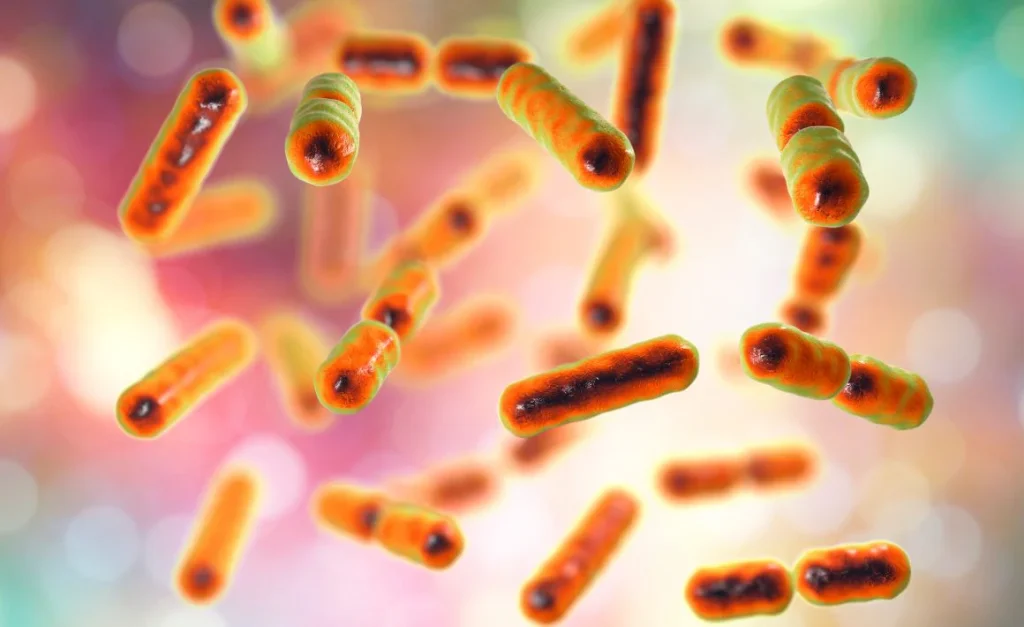
SIBO means that bacteria normally found in the colon begin to grow in the small intestine. This can lead to increased gas production, altered intestinal function and disruption of the intestinal barrier, contributing to increased intestinal permeability – often called leaky gut.
- IBS is a functional gastrointestinal disorder.
- SIBO is bacterial overgrowth in the small intestine.
- IBS and SIBO can produce similar symptoms.
- Low FODMAP can relieve symptoms but does not treat SIBO itself.
- SIBO can be addressed with rifaximin or herbal antimicrobials after individual medical assessment.
What is IBS?
IBS is a functional gastrointestinal disorder affecting an estimated 15–20% of Sweden’s population.
Unlike many other GI diseases, IBS does not show up on typical examinations such as endoscopy or blood tests. Diagnosis is based on symptoms and exclusion of other conditions.
Common symptoms include:
- Bloating
- Abdominal pain
- Diarrhea
- Constipation
- Alternating bowel habits
- Discomfort after meals
Research also suggests that people with IBS may have increased sensitivity throughout the GI tract. Normal amounts of gas or movement in the intestines may be perceived as painful.
Current treatment focuses mainly on reducing symptoms and improving quality of life.
What is SIBO?
SIBO means that bacteria normally found in the colon have multiplied in the small intestine.
The small intestine naturally contains bacteria, but in much smaller quantities than the colon. When bacteria become too numerous, they begin fermenting food in the small intestine, producing:
- Hydrogen
- Methane
- Carbon dioxide
- Organic acids
- Bacterial metabolites
This can lead to gas, bloating, abdominal pain and altered bowel habits.
Symptoms of SIBO
Local symptoms
Caused mainly by gas production and irritation in the small intestine:
Bloating and gas — often worse after carbohydrates or fiber
Abdominal pain and cramping
Altered bowel habits — hydrogen‑dominant SIBO often causes diarrhea; methane‑dominant SIBO often causes constipation
Nausea and early satiety
Acid reflux and belching
Bacteria in the small intestine not only “steal” nutrients but can damage the intestinal villi, leading to leaky gut. When the barrier is compromised, bacterial toxins can pass through the intestinal wall and disturb immune cells (about 70% of the body’s immune cells are located in the small‑intestinal wall), entering the bloodstream and affecting the rest of the body.
This can result in:
Chronic fatigue and brain fog: bacterial byproducts and low‑grade inflammation affect the nervous system
Nutrient deficiencies: bacteria consume nutrients before your body can absorb them (B12, iron, fat‑soluble vitamins A, D, E)
Joint and muscle pain: toxins entering the bloodstream trigger inflammation
Skin problems: SIBO is strongly linked to rosacea and eczema
Unintentional weight gain: microbial metabolites entering the bloodstream may contribute to insulin resistance, abdominal fat and difficulty losing weight.
How IBS and SIBO Are Connected
Studies report SIBO in 85% of people with IBS.
IBS | SIBO |
Functional GI disorder | Bacterial overgrowth in the small intestine increasing permeability |
Diagnosis based on symptoms | Suspected from symptoms, tested via breath test |
Treatment focuses on symptom relief | Treatment aims to reduce bacterial overgrowth |
What is Leaky Gut?
Leaky gut refers to increased intestinal permeability — a condition where bacterial toxins, components and undigested food particles pass into the bloodstream, causing chronic inflammation locally and systemically.
Symptoms Associated with Leaky Gut
Locally, leaky gut alters the digestive environment and may cause sudden food sensitivities. It can gradually lead to impaired motility.
Leaky gut also affects multiple body systems:
- Autoimmune conditions: activated immune responses may target the body’s own tissues (e.g., rheumatoid arthritis, lupus)
- Metabolic problems: systemic LPS inflammation impairs insulin signaling, linked to metabolic syndrome, obesity, type 2 diabetes and NAFLD
- Brain and mental health: toxins and inflammatory cytokines can cross the blood‑brain barrier, contributing to brain fog, fatigue, anxiety, depression and neurodegenerative diseases
- Skin flare‑ups: rosacea, eczema, psoriasis, chronic acne
- Musculoskeletal pain: circulating inflammatory markers affect joints and muscles
How IBS and Leaky Gut Are Connected
Leaky gut overlaps with IBS, especially IBS‑D. Impaired tight junctions allow antigens and bacterial byproducts to trigger immune activation, food sensitivities, nervous system disruption and altered motility.
Shared mechanisms
- Chronic low‑grade inflammation
- Microbiome changes (SIBO)
- Post‑infectious triggers (food poisoning → post‑infectious SIBO → IBS)
- Stress and omeprazole use contribute to SIBO and increased intestinal permeability
Overview: Overlaps and Differences
Function / Symptom | IBS | Leaky Gut |
Abdominal pain | Yes | Yes |
Bloating & gas | Yes | Yes |
Diarrhea/constipation | Yes | Yes |
Systemic fatigue / brain fog | No | Yes |
Joint pain & skin issues | No | Yes |
Why This Matters
IBS treatment may need fundamental adjustment if symptoms are driven by underlying SIBO and leaky gut. Instead of focusing only on symptom relief, the root cause should be investigated.
Addressing SIBO first is key — reducing bacterial overgrowth helps restore tight junctions in the small‑intestinal lining.
The Pathophysiological Triangle: SIBO, Leaky Gut, Local (IBS) and Systemic Symptoms
To achieve long‑term healing, one must understand how these three conditions interact:
- Root of SIBO: impaired motility (MMC), low stomach acid, weakened ileocecal valve tone (often stress‑related)
- Mechanism of intestinal damage: fermentation → toxic byproducts → inflammation → permeability
- Systemic activation: toxins (LPS), metabolites and immune signals trigger local pain and systemic inflammation (brain fog, fatigue, skin issues)
Three‑Step Solution Strategy: From Insight to Balance
Step 1: Awareness and Symptom Identification
Identify patterns: bloating 30–60 minutes after meals, brain fog, afternoon fatigue, irregular bowel habits.
Step 2: Precision Diagnostics
Measure, don’t guess.
Gutfeeling Labs Four‑in‑One Test:
Assesses intestinal barrier integrity, small‑intestinal bacterial overgrowth and microbiome‑related cardiometabolic health.
Provides a risk‑factor analysis and personalized recommendations.
Step 3: Targeted Restoration
Use your results to implement a tailored protocol:
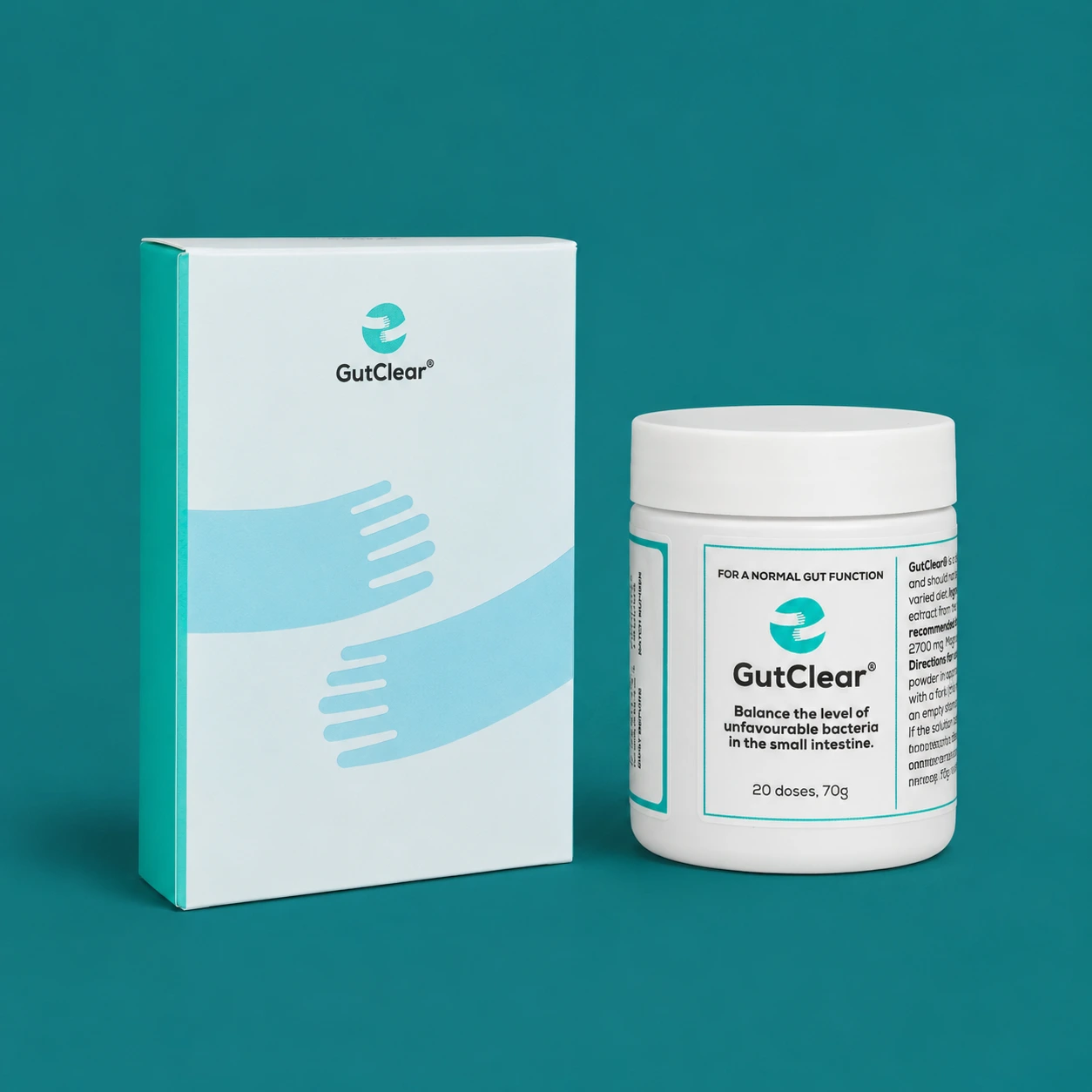
- Microbiome balancing: GutClear® to gently rebalance the small‑intestinal environment without harming beneficial colon flora
- Strengthen mucosa and lifestyle: Combine GutClear® with strategies to prevent SIBO recurrence