




Leaky gut – when the small intestine doesn’t hold tight
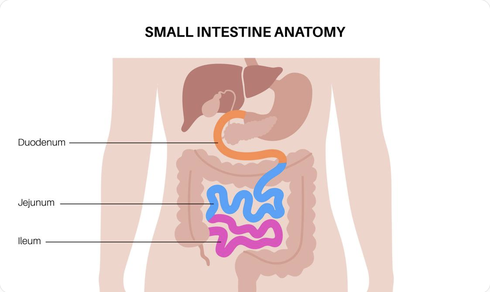
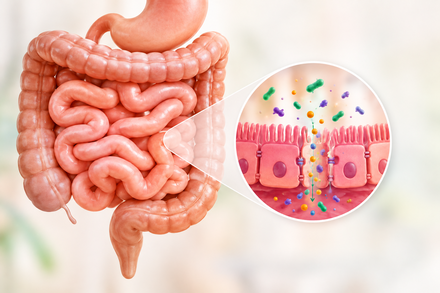
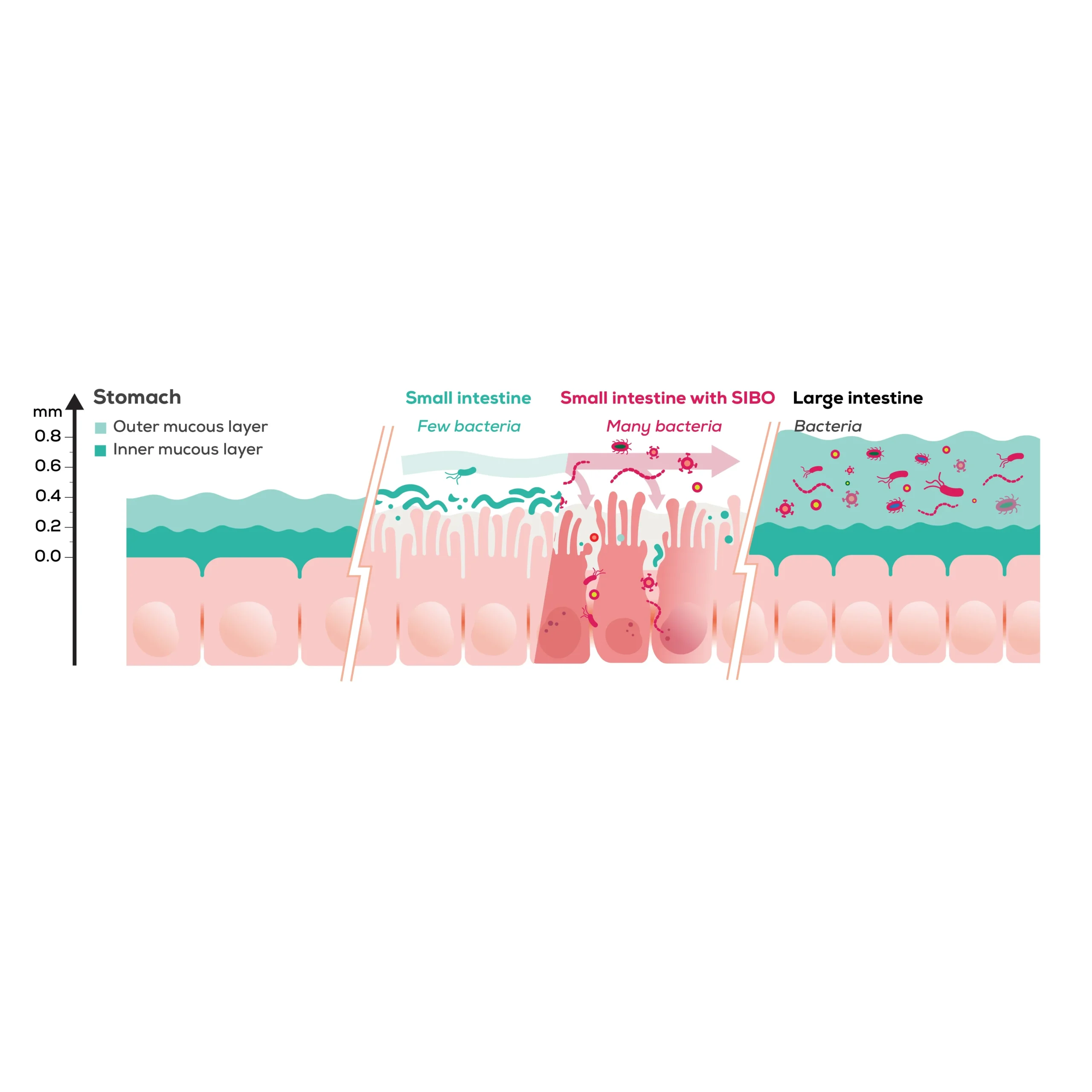
Unlike the large intestine, the small intestine lacks a protective mucus layer, making it more sensitive—especially when there’s bacterial overgrowth in the small intestine (SIBO). This allows bacteria and toxins to more easily come into direct contact with the intestinal wall and activate immune receptors on the intestinal cells. This can trigger inflammation, which may cause the gut wall to suddenly allow substances to pass through that would normally be kept out. This condition is known as leaky gut.

An Overview of Leaky Gut
How does leaky gut develop?
Causes of leaky gut
What happens in the body with leaky gut?
Understand the mechanism
Signs of leaky gut
Local & systemic
Is there a test for Leaky Gut?
Can we take it at home?
Signs of leaky gut
Digestive
- Gas
- Bloating
- Diarrhea
- Constipation
- Food sensitivities
- Abdominal cramps
Whole-body
- Fatigue
- Brain fog
- Skin issues
- Joint or muscle pain
Immune-related
- Food sensitivities
- Recurring infections
- Autoimmune conditions
Mood & nervous system
- Anxiety
- Irritability
- Low mood
Other
- Weight changes
- Blood sugar changes
- Headaches or migraines
How does leaky gut develop?
When bacteria and toxins come into direct contact with the intestinal wall and activate immune receptors, inflammation can occur. It is primarily this inflammation that causes the gut to become “leaky,” although the bacteria and toxins themselves can also contribute to and worsen the condition.
Common causes of leaky gut:
- Bacterial overgrowth in the small intestine (SIBO) is found in most cases of leaky gut.
- Chronic stress.
- Long-term use of omeprazole or other long-term acid-reducing medications.
- High intake of sugar, alcohol, or processed foods
What happens in the body with leaky gut?
When the intestinal wall becomes permeable, bacteria and toxins can leak into the bloodstream and lymphatic system. This can:
- Disrupt the immune system and cause chronic low-grade inflammation.
- Affect the gut’s nervous system, leading to symptoms like bloating, pain, and diarrhea.
- Spread through the bloodstream and contribute to systemic health problems such as skin issues, joint pain, brain fog, metabolic issues and fatigue.
Is there a test for Leaky Gut?
When symptoms suggest changes in gut barrier function, the first step is to understand what may be contributing to them. SIBO (small intestinal bacterial overgrowth) is one possible factor, but symptoms can also have other causes, including food sensitivities, histamine intolerance and other digestive or lifestyle-related factors. Identifying the underlying factors can help guide the right approach.
Did you know you can test for leaky gut?
Gutfeeling Labs offers a patent-pending urine test for leaky gut and SIBO that can be taken at home. Unlike traditional SIBO breath tests, the test uses a urine sample, making sample collection simple and convenient.
The test is designed to assess markers associated with intestinal permeability and bacterial overgrowth in the small intestine. You receive your results together with guidance to help you better understand what they may mean in relation to your gut health.
Learn more about the Leaky Gut & SIBO Test
What if SIBO is part of the picture?
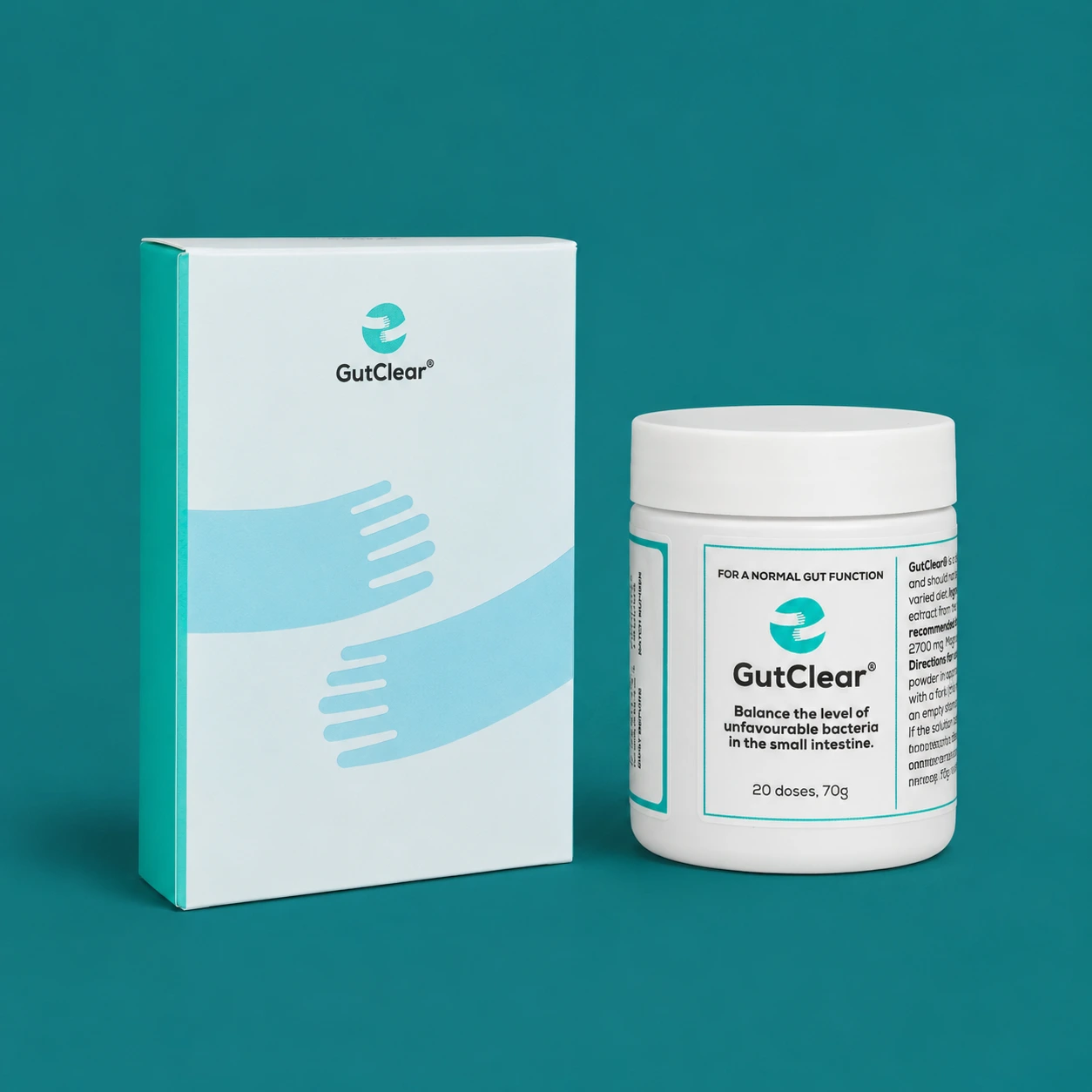
If your results indicate SIBO, addressing the bacterial overgrowth may be an important part of supporting gut health. Gutfeeling Labs’ GutClear® is a plant-based supplement developed to support healthy gut function in the context of SIBO and leaky gut.
Learn more about Leaky gut
IBS, SIBO, and Leaky Gut: All you need to know
This is how you can strengthen and restore a Leaky Gut
What Is Leaky Gut? Symptoms, Causes and What Research Says
Leaky Gut and Diet – What Should You Eat and Avoid?
Related Articles and Blogs
The Gut Reset
How Gut health is linked to Overall health?
Launching Soon