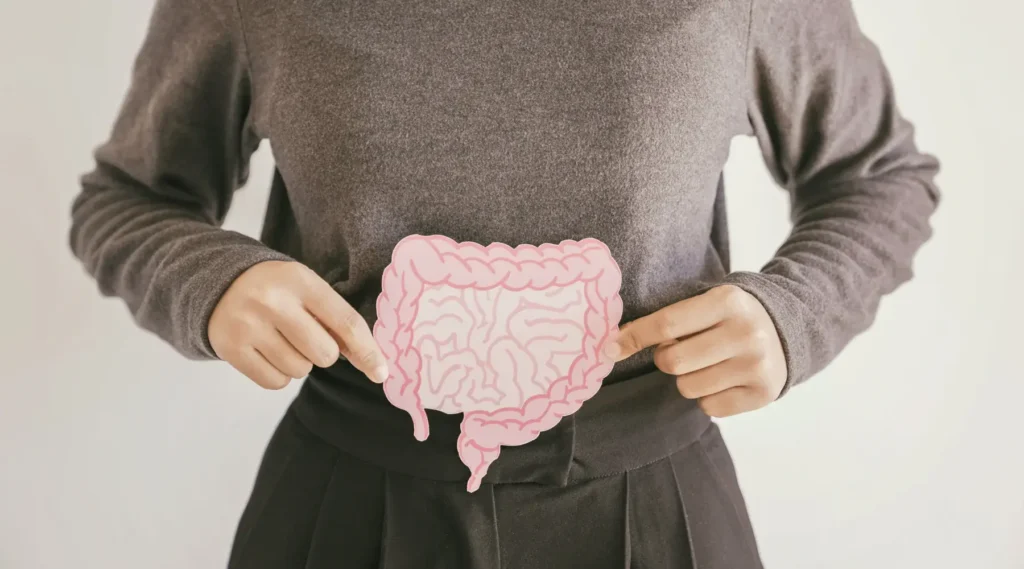



The gut microbiome contains around 100 trillion bacteria living throughout your digestive system. These tiny organisms have unique roles that affect your entire body — not just your stomach. Your gut flora is shaped by genetics, illnesses, environment, age, lifestyle and medications.
Your complete guide to how gut bacteria influence health, brain function, immunity and overall wellbeing
The gut microbiome contains around 100 trillion bacteria living throughout your digestive system. These tiny organisms have unique roles that affect your entire body — not just your stomach.
Your gut flora is shaped by genetics, illnesses, environment, age, lifestyle and medications. Because it plays a central role in both physical and mental health, understanding your gut microbiome can help you optimize your wellbeing.
What is the gut microbiome?
The gut microbiome (or gut flora) is a complex ecosystem of bacteria, fungi and other microorganisms that:
- support the immune system
- strengthen the intestinal barrier
- produce essential neurotransmitters
- influence mood, sleep and stress levels
- regulate inflammation
- affect metabolism and weight
Researchers now believe we must study the gut as deeply as the brain to fully understand emotions, behaviour and mental health.
Read more about the gut–brain axis
How the gut communicates with the nervous system
Along the digestive tract, around 100 million nerve cells form the enteric nervous system — often called “the second brain.”
The enteric nervous system:
- controls digestion and intestinal movement
- communicates with the immune system
- interacts directly with gut bacteria
- sends signals to the brain via the vagus nerve
The vagus nerve – the body’s longest nerve
The vagus nerve is a key part of the parasympathetic nervous system, which activates when the body is calm and resting. When the vagus nerve is stimulated:
- intestinal movement increases
- digestion improves
- blood pressure drops
- stress levels decrease
Gut bacteria produce substances that activate the vagus nerve, but you can also stimulate it through:
- deep breathing
- meditation
- gentle movement
- stress‑reducing practices like yoga
The gut–brain axis: constant communication
The gut and brain communicate continuously through:
- the vagus nerve
- immune cells
- hormones
- neurotransmitters
- the bloodstream
This system — the gut–brain axis — influences:
- emotions
- stress regulation
- cognitive function
- sleep
- behaviour
Gut bacteria produce neurotransmitters such as serotonin, dopamine, GABA and melatonin, making the gut microbiome directly linked to mood and mental balance.
How does gut flora affect wellbeing?
An imbalanced gut microbiome can lead to:
- inflammation
- disrupted neurotransmitter production
- mood changes and stress sensitivity
- increased risk of mental health challenges
Research shows strong connections between gut flora and:
- IBS
- obesity
- atherosclerosis
- diabetes
- cardiovascular disease
- inflammatory bowel disease
- gout
- depression
- arthritis
Gut flora also differs significantly between healthy individuals and those with:
- depression
- autism
- bipolar disorder
- Parkinson’s disease
- schizophrenia
Short‑chain fatty acids – the gut’s superpower
When you eat fiber, gut bacteria produce short‑chain fatty acids (SCFAs):
- butyrate
- propionate
- acetate
These SCFAs:
- strengthen the intestinal lining
- reduce inflammation
- stimulate brain cell growth
- support immune function
You can influence your gut microbiome
Your gut flora changes both short‑term and long‑term depending on what you eat.
Foods that support a healthy gut:
- fruits
- vegetables
- nuts
- seeds
- legumes
- whole grains
- resistant starch
Reset your gut with GutClear® today
Psst… gut bacteria can end up in the wrong place
Your gut flora is meant to live in the large intestine, not the small intestine.
When bacteria migrate to the wrong location, it’s called SIBO (Small Intestinal Bacterial Overgrowth).
SIBO can cause:
- bloating
- gas
- abdominal pain
- diarrhea or constipation
- brain fog
- fatigue
- skin issues
The good news: there is a lot you can do to reduce bacterial overgrowth and restore balance.