




Antibiotics and the gut microbiota – how are gut bacteria affected and when can you test?
Share this article skip render: ucaddon_social_share_buttons Antibiotics can be lifesaving when the body needs to fight a bacterial infection. At the same time, antibiotic treatment can affect the balance of bacteria in the gut microbiota. The extent of the impact depends, among other things, on the type of antibiotic you have taken. In this article, we explain how antibiotics can affect the gut microbiota and how long you may need to wait before having a gut microbiota analysis. How do antibiotics affect the gut microbiota? Antibiotics can kill bacteria that cause infections, but treatment can also affect other bacteria in the body. The gut microbiota in the colon is a complex ecosystem where many different bacterial species live together. Each […]
How to Stimulate the Vagus Nerve? 8 Ways to Support Vagus Nerve Function
Share this article skip render: ucaddon_social_share_buttons How can you support the vagus nerve? And what role does the vagus nerve play in stress, digestion and communication between the gut and the brain? The vagus nerve is an important part of the parasympathetic nervous system, which helps the body slow down, recover and regulate functions such as heart rate and digestion. The vagus nerve is also an important part of communication between the gut and the brain. This is why researchers are increasingly interested in how vagus nerve activity may be influenced by stress, diet, the gut microbiota and lifestyle. In this article, we look at what the vagus nerve is, how it is connected to the gut and which simple […]
What Is Leaky Gut? Symptoms, Causes and What Research Says

Share this article skip render: ucaddon_social_share_buttons What does leaky gut mean? “Leaky gut” is a commonly used term for increased intestinal permeability. It describes a change in how easily substances can pass through the intestinal barrier. The intestinal barrier consists, among other things, of cells in the intestinal lining that are closely connected to one another. Between these cells are structures called tight junctions, which help regulate what can pass from the gut into the bloodstream. To clarify: Increased intestinal permeability – a biological phenomenon that can be studied and measured. Leaky gut – a popular term often used to describe increased intestinal permeability. Medical diagnosis – “leaky gut” is not, by itself, a specific medical diagnosis. What does the […]
Bloated Stomach After Eating – Why Does It Happen?
Share this article skip render: ucaddon_social_share_buttons Why does my stomach become bloated after eating? A bloated stomach after eating is often related to gas in the gastrointestinal tract. When food is digested and certain carbohydrates and fibers are fermented by gut bacteria, gases such as hydrogen, carbon dioxide and methane can be produced. This is a normal part of digestion. However, the amount of gas produced and how sensitive a person is to intestinal stretching can vary.What can contribute to bloating? Bloating can be influenced by several factors. These can be grouped into three main areas: ????️ Food & eating ???? Gut & digestion ???? Stress & lifestyle Type of food Gut microbiota Stress Portion size Bowel movements Daily routine […]
Gut Microbiome and Parkinson’s Disease – What Does Research Say About Desulfovibrio?

Share this article skip render: ucaddon_social_share_buttons Can the Gut Microbiome Be Linked to Parkinson’s Disease? Yes. An increasing number of studies are investigating the relationship between the gut microbiome and Parkinson’s disease. People with Parkinson’s may have differences in their gut microbiome composition compared to individuals without the disease. These changes have been associated with inflammation, metabolism, and communication between the gut and the brain. However, it remains unclear whether: changes in the gut microbiome contribute to the development of Parkinson’s disease, Parkinson’s disease itself alters the gut microbiome, or both are influenced by other factors. This distinction is important when interpreting research findings. What Is Parkinson’s Disease? Parkinson’s disease is a progressive neurological disorder that primarily affects movement. Common […]
Do you have a Bloated Stomach all the time? It could be Bacteria in the Wrong Part of the Gut
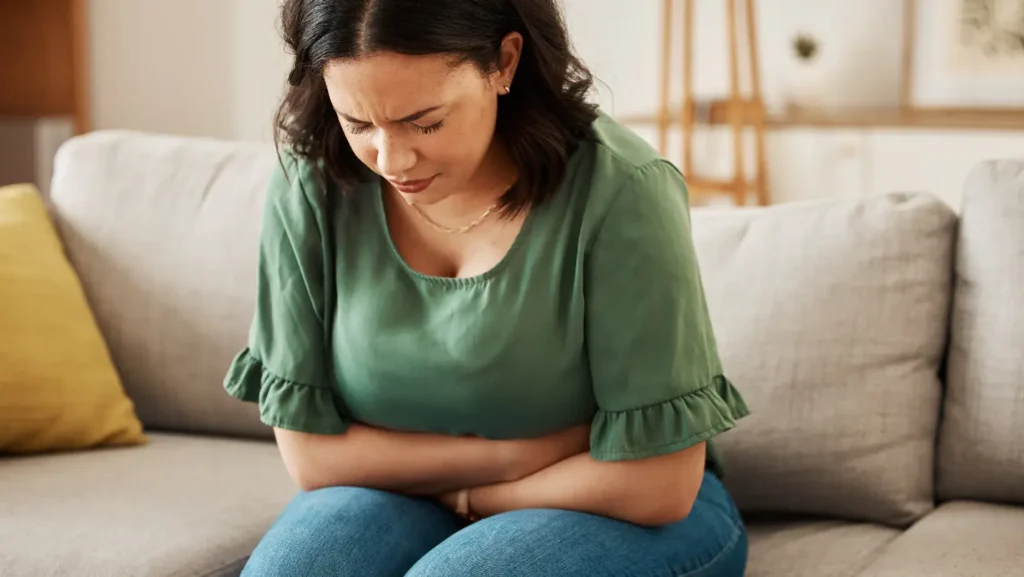
Share this article skip render: ucaddon_social_share_buttons Do you often have a bloated, tight or tender stomach – even between meals? If your bloating occurs regularly and you also experience gas, abdominal pain or changes in bowel habits, SIBO may be one possible explanation. SIBO stands for Small Intestinal Bacterial Overgrowth and means an overgrowth of bacteria in the small intestine. Normally, the small intestine contains significantly fewer bacteria than the large intestine. When bacteria are present in the wrong part of the gut, namely the small intestine, they can ferment food in a way that leads to increased gas production and bloating already in the small intestine. This can contribute to a swollen and tender stomach between meals. What is […]
All About Gut Health
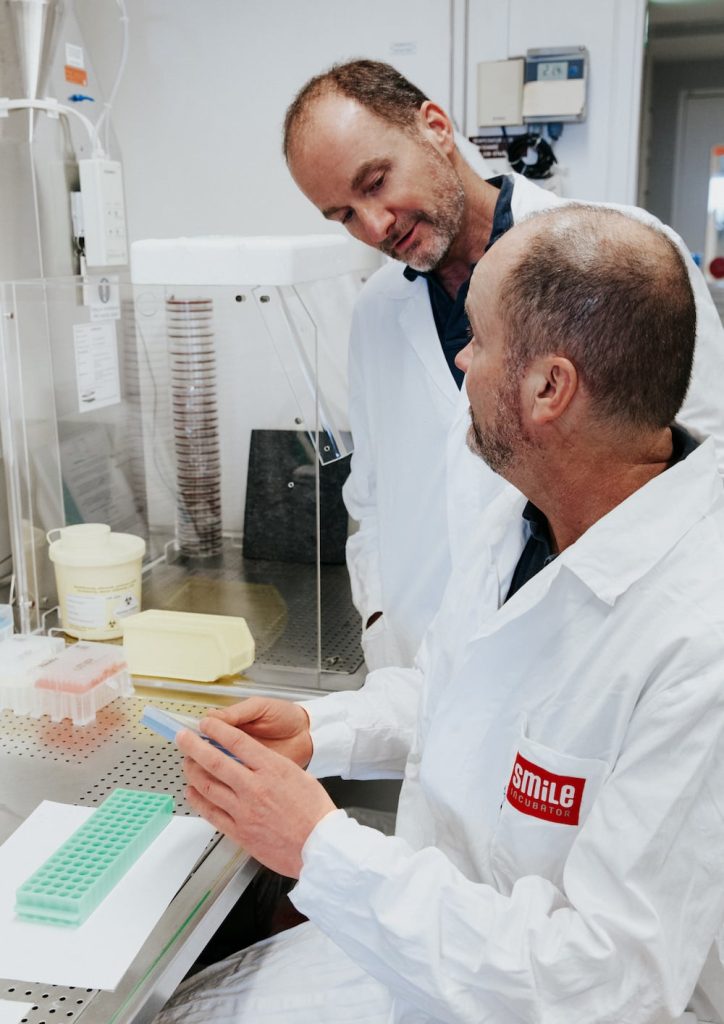
Share this article skip render: ucaddon_social_share_buttons The condition of your stomach and intestines shapes how you feel physically and mentally. However, the relationship goes both ways: your emotional and physical state also influences how your gastrointestinal system behaves. We, Walter and Hans Fischer, founded Gutfeeling Labs. As researchers in microbiology and neuroscience at Lund University, our mission is to give the public deeper insight into their gut microbiome and help them restore balance. Here, we’ve gathered the most essential knowledge about the intestinal flora and common digestive issues. And if you’re as curious as we are, you’ll also find articles that let you dive even deeper. In simpler terms, this is your complete guide to understanding and improving not only […]
Always tired? How your gut and digestion may affect your energy
Share this article skip render: ucaddon_social_share_buttons Can digestive problems affect your energy? Yes, the gut and digestive system can be part of the explanation for low energy. The gastrointestinal tract plays a central role in digestion and the absorption of nutrients. Therefore, digestive problems may be relevant to consider if you often feel tired or lacking in energy. At the same time, tiredness can have many other causes, such as insufficient sleep, stress, nutritional deficiencies or illness. That is why it is important to look at the bigger picture. Why can the gut affect your energy? The gastrointestinal tract has several important functions. It breaks down food, helps the body absorb nutrients and is closely connected to the nervous and […]
Stomach Pain from Fiber – Why Does It Happen and What Can Help?

Share this article skip render: ucaddon_social_share_buttons Do you get stomach pain when you eat fiber-rich foods? You are not alone. Some people experience bloating, gas, abdominal pain, diarrhea or constipation when they increase their fiber intake. At the same time, fiber is an important part of a healthy diet and contributes to normal bowel function. So why can something that is generally considered beneficial for the gut sometimes cause digestive discomfort? In this article, we look at why fiber can cause digestive symptoms, what role gut bacteria may play, and when SIBO may be a possible factor. Why does fiber cause stomach pain? There are several reasons why fiber can cause digestive discomfort. One common reason is increasing your fiber […]
What Is GLP-1 and How Can You Increase It Naturally?

Dela den här artikeln skip render: ucaddon_social_share_buttons GLP-1 is an important hormone that helps regulate appetite and blood sugar levels. It has therefore become particularly interesting in relation to weight management and metabolic health. In this article, we look at what GLP-1 is, how it affects the body and how you can naturally support your body’s own production of the hormone. What is GLP-1? GLP-1, or glucagon-like peptide-1, is a hormone that has an appetite-suppressing effect and plays an important role in regulating blood sugar and satiety. GLP-1 is naturally produced by so-called L cells, mainly in the lower part of the small intestine. Several factors can influence the release of GLP-1: Food: Carbohydrates, fats and proteins can stimulate L […]